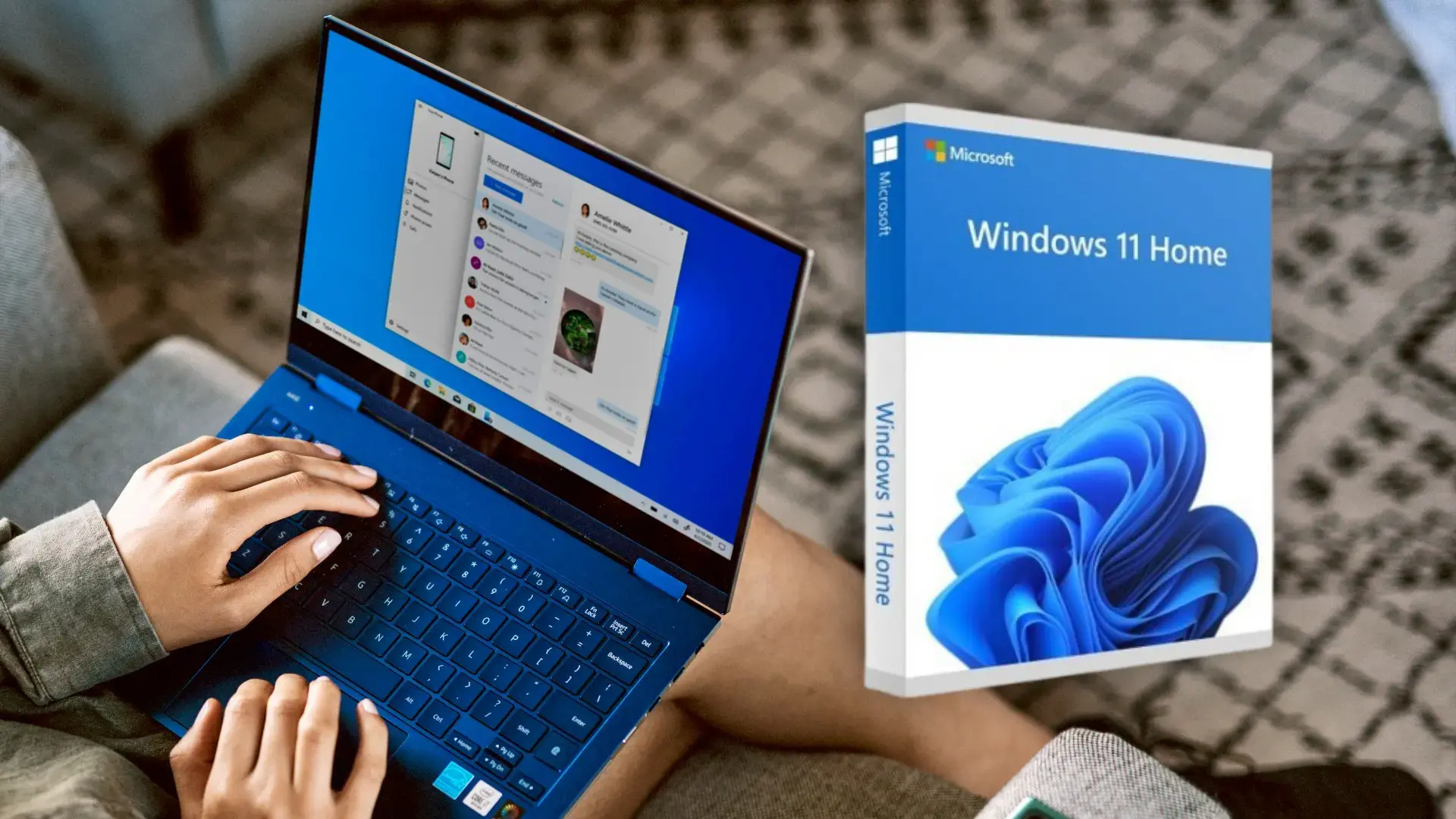
Upgrade To Windows 7: Guide To Modern Windows And Office Licenses.
Windows 7 is no longer being supported. This was not just the end of an operating system, but also the end of an entire era with regard to licensing of software. For individuals and businesses clinging to `windows 7`, the upgrade path to Windows 11 is not a simple re-installation–it’s a migration to a fundamentally different digital paradigm. The shift is encompassing everything from the way you purchase the windows 11 lizenz to how you secure your system and collaborate with Office. The old world, which consisted of single-time purchases of software, physical discs, and isolated software suites was replaced with cloud-integrated subscribtions, digital licensing, and ecosystem wide security. In order to navigate this new era, you need to understand the ten interconnections which exist between old practices and modern requirements. The choices you make about your OS will have an impact on your productivity suites, as well as security posture and future capacity.
1. Hardware Gauntlet – Your first, non-negotiable step
Windows 11 hardware requirements must be met before you even think about purchasing Windows 11 (TPM 2.0 Secure Boot Modern CPU). Windows 7 and older machines will likely not pass the test, especially those built before 2017. This isn’t just a Microsoft cash grab, it’s an important security mandate. These security features are the “hardware foundation of trust” upon which contemporary security software such as Windows Defender or even third-party software such as kaspersky premium depend. Bypassing these requirements through unofficial ISO modifications creates a unstable and unsupportable system which nullifies all the security benefits the upgrade can provide. You’re left more vulnerable than you were in Windows 7.
2. License migration myth: Your Windows 7 Key (mostly obsolete)
Windows 10 could be activated using an Windows 7 Pro product key. The grace period for Windows 11 is now over. Windows 7 OEM or OEM-licensed hardware, particularly if the motherboard is old and cannot be upgraded to Windows 11 if the hardware does not meet the specifications. Beginning with a fresh start is the only option. You are searching for “windows 11 license” is a brand new purchase, and you will be required to know the retail vs. OEM world.
3. The Office Licensing Revolution.
If you use Office 2010 or Office 2013 on Windows 7 you are accustomed to a perpetual “office license”. Office 2021 was a dead beginning product when it was launched. It received security updates but did not have any new features. Microsoft 365, the subscription-based upgrade for productivity, has become now the path of choice. This is a significant change: you are not just upgrading Office. You also get an identity that is cloud-based (Azure) and 1TB of OneDrive space as well as real-time collaboration. It’s time for you to reconsider your old practice of purchasing office lizenz once every 10 years to take advantage of ongoing costs that include updates and services.
4. Security shouldn’t be a secondary concern. The entire paradigm must be replaced.
If you’re using Windows 7, your strategy likely involved a third-party antivirus such as an old norton 360` suite. Windows 11 has changed the game. Windows Security Defender, the integrated security software in Windows 11, is a high-end solution that is integrated with cloud services. Just installing your existing third-party software can cause issues and impact performance. It is a good idea to review your options when changing. Are separate security software like Kaspersky Premium, necessary or can Defender and the latest hardware features suffice? The answer will depend on the risk you are taking. However, the notion that you must purchase a separate antivirus program is no more true.
5. The Clean Install Imperative and Data Migration Strategy
It is not advised to upgrade Windows 7 in place to Windows 11. This can lead you into instability. It should be a new install. This process requires a disciplined data transfer. It’s time to move away from local drives and onto the cloud. Microsoft 365 subscriptions include OneDrive. By enabling Known Folder Move to back up your Desktops, Documents, and Pictures during setup, your data migration will be seamless and is cloud-synchronized. The data you store is not PC-centric anymore, but user-centric.
6. The Professional Feature Crossroads : Pro is now the Minimum.
If you’ve used Windows 7 Professional for domain join, BitLocker, or Remote Desktop hosting, you need to purchase the Windows 11 professional version. It is not a good idea to utilize Windows 11’s home key for professional or business reasons. Home is unable to join domains, does not have BitLocker encryption and has no Group Policy Editor. If you’re planning to upgrade from Windows 7 Pro to Windows 11 Pro then you will need a Microsoft 365 Business subscription or a Retail license is the only option to keep professional functions and data protection.
7. Beware the Grey Market Siren Call During Transition.
The pressure to upgrade as quickly as possible and the sticker-shock associated with new licenses prompt people to search for bargain “windows11 OEM” keys in gray market. This is a grave mistake when making the transition. These keys are not reliable and can leave the user with an untrue foundation while you’re building a new system. If you invest in the time and money to purchase a genuine Retail license or a Windows subscription (like Microsoft 365 Business) will give you peace of mind, 24/7 support from a customer, and guaranteed that you will be able to upgrade in the future. A grey market key can cost you time and data if it’s removed.
8. Cloud Computing: Future-proofing the Cloud with the Server Connection
Windows 7 machines that were part of domain networks will likely be replaced by a server like Windows 2025. Modern integration requires more than just Windows 11 Pro, but also an understanding of `calswhich are essentially cals’ (Client Access Licenses). Azure Active Director is the cloud-based alternative. It’s part of Microsoft 365 Business. It is up to you to decide whether you would like to move to Windows 7 and continue to spend a lot of money on servers and CALs. Or do you decide to switch to cloud-based Identity and Device Management (Intune) or an annual subscription? The cost and structure of licensing for each option differ.
9. Driver Archaeology: The Demand to have an Modern Hardware Base
Windows 7 thrived on a large library of old drivers. Windows 11 relies on modern, often cloud-sourced drivers through Windows Update. Windows 7 is often the only device which can run special hardware. The upgrade evaluation should include a hardware compatibility check. It is often the case that a true upgrade requires new hardware, making the choice of a new PC that has a valid pre-installed Windows 11 OEM` license the most practical and secure option.
10. A shift in philosophy from Ownership to Manage and Access.
Updates for Windows 7 are a shift in philosophy. In order to upgrade Windows 7 you need to subscribe to a service that is constantly upgraded or buy an online license that has strict transfer rules. The security model shifts from an antivirus add-on to one that incorporates hardware protection. The data you store locally moves to storage to cloud identity. Making the shift holistic by using legitimate Windows 11 Pro licensing, an Microsoft 365 membership, and using the latest security features – is the only option to ensure that the upgrade offers not just a new OS, but a resilient and manageable computing platform for the coming decade. See the best windows 11 kaufen for website tips including office 2016, ms visio software, microsoft project, windows server os, microsoft office key, ms office 2016, ms visio, windows office software, ms visio software, windows office software and more.
Software Licensing: Evolution From One-Time Purchase To Subscription.
Microsoft 365 subscriptions represent one of the biggest shifts in the digital economy. This evolution does not just require a new method of payment but also a major shift in the relationship of user to software. This can have a ripple effect on productivity and security as well as total cost. The old paradigm–exemplified by a one-time `office lizenz kaufen` or an `windows 11 oem` key tied to hardware–valued static ownership and predictable, upfront capital expenditure. Subscriptions to Windows (via Microsoft 365) Kaspersky Premium, norton360 trade that permanence in exchange for cloud-based integration, continuous updates and a shift to operational expenses. Understanding this change will allow you to navigate modern licensing and avoid pitfalls associated with grey-market keys.
1. The Security Imperative was the main driving factor behind the transformation.
Modern cyber-attacks have brought an end to the one-time purchase. As security threats get more sophisticated the perpetual license of the year 2019, or an older version of Windows 7 is vulnerable. Subscribers’ finances are aligned with their security. Microsoft needs to keep updating Defender or Office 365 continuously to justify a monthly fee. Norton, Kaspersky and other vendors also need to add new features to maintain your trust. The old model, which was similar to Windows 7, created an end-of-support “cliff” and the subscription is a permanent security boundary.
2. Ecosystem lock-in process: From product to platform.
A one-time purchase refers to one product. The platform is covered by a subscription. By purchasing a Windows 11 home keygives you an operating system. Subscribing to Microsoft 365 Business gets you Windows 11 (with upgrade rights), Office, OneDrive, Teams, SharePoint, and Intune device management. Interoperability is the key. This provides a strong lock-in, as well as a huge convenience and capabilities that separate perpetual licenses like “Office license”, “Windows 11 lizenz” or separate backups could not achieve. The licensing unit moves between the device and the user identity.
3. The Grey Market’s Existential Crisis.
The subscription model inherently opposes the black market that thrives from scams involving windows 11 purchase. A subscription key is a credential for an account, not just a string of static characters. It’s associated with an identity that is associated with billing and expires. It is almost impossible to sell illegally in the same way as OEM or Volume License keys are. The increasing popularity of subscriptions is gradually sucking up the market for key resellers, directing users towards legitimate channels or leaving them on old, unsecure perpetual versions.
4. Business Accounting Revolution: Predictable OpEx vs. Lump Sum CapEx
This change allows businesses to shift from software being a Capital Expenditure (CapEx) – an expensive, rare, and large outlay, depreciated in years and a predictable continuous cost. It’s a wonderful change for small business, as it boosts cash flow. Budgeting is also affected. It is now necessary to account for the ongoing cost of cals` for your `windows server 2025` and the monthly per-user fees for security and productivity suites. It is not unusual to find the total price of a subscription to be more than the cost of the original one-time payment, but it also includes the continual assistance and new features offered by the new model.
5. Windows 11 Dual Nature: the “Hybrid Model”.
Windows 11 is a unique hybrid that spans two eras. It is still possible to purchase an OEM Windows 11 license or retail license for one time (the old model). However, you can also purchase it as a part of a Microsoft 365 Business/Enterprise subscription (the modern version). The hybrid status can cause confusion. Windows “subscriptions” are not for the OS in the traditional sense, but for the right of always being updated and having associated cloud management services. This results in two distinct types of users such as those who “own” an unchanging snapshot (Windows 11 24H2) and those who “lease” the continuously updated service that is continuously updated.
6. Third-Party Security Suites Are Pioneers.
The first to adopt subscription-based software for consumers included Norton (norton360) as well as Kaspersky (“kaspersky premium). Updated threat definitions were always vital to their operations. They seamlessly moved from selling a “3-year license” to an auto-renewing contract, frequently including new services such as VPNs and password managers and cloud backup to increase the value of their monthly subscription and decrease churn. Their model was the precursor to the broader industry shift.
7. The Parallel Server-Side: CALs as an Original “User Subscriber”.
Client Access Licenses, or cals for “Windows server 2025” are the precursors to modern subscriptions. While you purchase the server software just once, cals can be considered an ongoing access right. They’re a form of “subscription” to the server service, purchased usually in large quantities. Azure cloud models modernize this, charging for access to compute, user storage and compute by the second or third month, or even the quarter. It is the last step in the evolution of perpetual server licenses, CALs and in the direction of pure consumption-based pricing.
8. The Data Sovereignty Challenge: Loss of Permanentity
The dark side of subscriptions is the loss permanent access. If you stop paying the office lizenz subscription, you will eventually lose access to the software. It could also result in the loss of your personal data that is stored in the cloud part of the cloud (like OneDrive). A perpetual Office 2021 license keeps functioning forever, albeit frozen in time. This grants power to the provider, and creates a data lock-in. A subscription strategy must include an extraction and data migration plan. It is not necessary when you have Office 2010 in a box.
9. Fragmentation as well as the Bundling counter-trend
We are witnessing counter-trends as a result of the subscription fatigue. “Lifetime licenses” are marketing strategies designed to take advantage of the depletion caused by subscriptions. Bundling subscriptions, such as”norton 360″ or a “norton 360” + Office deal, is an attempt to streamline and increase value in a sea of disjointed subscriptions. As we have seen, many bundles combine subscriptions (Norton 360) and perpetual licenses (Office) which creates the creation of a hybrid that is a poor match.
10. Strategic Licensing in the Subscription Age: Integrated Stack.
This will result in a strategic stack that is integrated, rather than coordinating multiple subscriptions. Microsoft 365 Enterprise, which includes Windows, Office 365 and Office 365 Email, Collaboration, Endpoint Security/Management and Azure AD and Intune, is a good choice for a business today. This subscription also contains Azure AD &Intune, which handles identity and device-management functions and replaces the previous windows 2025 and cals options. The idea is to streamline the vendors, make management simpler and to create fluid and seamless similar to electricity that runs the business constantly and in a predictable manner. See the most popular norton 360 for more tips including office 2019, microsoft project, visio software download, windows server software, microsoft visio software, ms visio, microsoft visio, key 365 office, microsoft office software key, product keys and more.